
In Toronto, where real estate development continues to expand rapidly, septic systems play a crucial role in maintaining sustainable sanitation for rural properties, new developments, and areas outside municipal sewage lines. Proper septic system design is essential to ensure the health of both residents and the environment. This guide will walk you through everything you need to know about septic system design in Toronto, including regulations, installation, and maintenance.
What Is a Septic System?
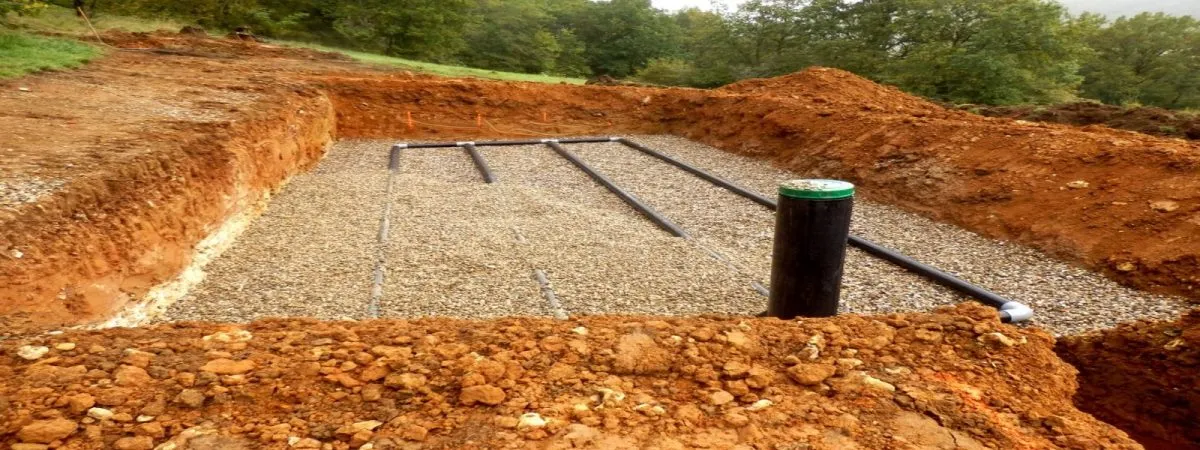
A septic system is an underground wastewater treatment structure commonly used in areas that lack centralized sewage systems. It consists of a septic tank and a drain field (also known as a leach field). The septic tank stores sewage and allows solids to settle while liquids flow into the drain field, where the soil naturally filters out remaining contaminants. This process ensures the safe disposal of household waste in a manner that is both cost-effective and environmentally sound.
In Toronto, septic systems are typically used in rural or suburban areas where properties are located far from municipal sewage systems. Proper system design is essential to ensure it functions efficiently and does not harm the surrounding environment, including groundwater sources.
Understanding the Need for Septic System Design
Septic system design is not a one-size-fits-all solution. Several factors must be taken into account to ensure that a system is appropriate for a given property. These factors include:
- Property Size and Layout: The size and topography of the property are important when determining where the septic system can be installed.
- Soil Conditions: The type of soil on your property greatly influences the system’s performance. Soil testing is essential to assess drainage capabilities.
- Water Usage: The number of people residing in the home and their water consumption habits will affect the size of the septic tank and the system’s overall capacity.
- Environmental Considerations: Local environmental conditions, including proximity to water sources, can impact the system’s design to prevent contamination of nearby ecosystems.
Septic System Design Process in Toronto
- Initial Assessment: Before designing a septic system, an experienced engineer or environmental consultant will conduct a thorough property assessment. This includes a site evaluation, soil testing, and analysis of local water tables. Based on the findings, the system design is customized to suit the property’s needs.
- Soil Testing: Soil testing is a critical part of the design process. Tests determine the percolation rate, how well the soil absorbs water. This information helps determine the size and type of system required. Percolation testing typically involves digging small holes and measuring how long it takes for water to drain.
- System Sizing: The size of the septic system is determined by factors such as the number of bedrooms in the house, expected daily water usage, and the soil’s wastewater absorption capacity. A properly sized system is crucial to prevent overflow, clogging, costly repairs, or environmental harm.
- Design Approval: Once the septic system design in Toronto is completed, it must be submitted for approval to the appropriate local municipal authority. Approval ensures the system meets all local regulations and environmental standards. The process may take several weeks, depending on the complexity of the design and permit requirements.
- Installation: After approval is granted, installation begins. A licensed contractor will excavate the property to install the septic tank, leach field, and related components according to the approved design. Hiring an experienced professional helps prevent costly errors and ensures the system operates as intended.
Septic System Regulations in Toronto
The City of Toronto has strict regulations regarding septic system installation, maintenance, and decommissioning. These regulations protect public health and the environment. Property owners must comply with the Ontario Building Code and applicable municipal by-laws when installing or upgrading a septic system.
Property owners must obtain a permit before installing or altering a septic system. The permit process ensures the design and installation meet local health and safety standards. Regular maintenance is also required, and periodic inspections are strongly recommended to ensure proper operation.
Key Considerations in Septic System Design
- Water Usage: Excessive water use can overload a septic system, leading to premature failure. Designing the system based on expected daily water usage is essential for long-term performance. Water conservation methods, such as low-flow toilets and energy-efficient appliances, can help reduce system strain.
- Site Evaluation: Soil conditions, topography, and proximity to water sources are key design factors. A thorough site evaluation ensures proper placement and reduces the risk of groundwater contamination.
- Maintenance: Regular maintenance is essential for efficient operation. This includes periodic inspections, pumping the septic tank, and monitoring the leach field. Neglecting maintenance can result in costly repairs and potential health risks.
- Environmental Protection: Protecting the environment is a primary objective of septic system design. A properly designed system prevents wastewater from contaminating groundwater, streams, lakes, and rivers. Designers must adhere to environmental standards to safeguard local ecosystems.
Choosing a Professional for Septic System Design
Given the complexity of septic system design and installation, hiring an experienced professional is crucial. A qualified engineer or environmental consultant will ensure your system complies with local regulations and is tailored to your property’s specific requirements.
Conclusion
A well-designed septic system is essential for maintaining a safe and healthy living environment, particularly in rural areas of Toronto where municipal sewage systems are unavailable. The design process requires careful consideration of soil conditions, water usage, environmental impact, and regulatory compliance. Investing in proper design and professional installation will help ensure long-term system reliability and environmental protection.