
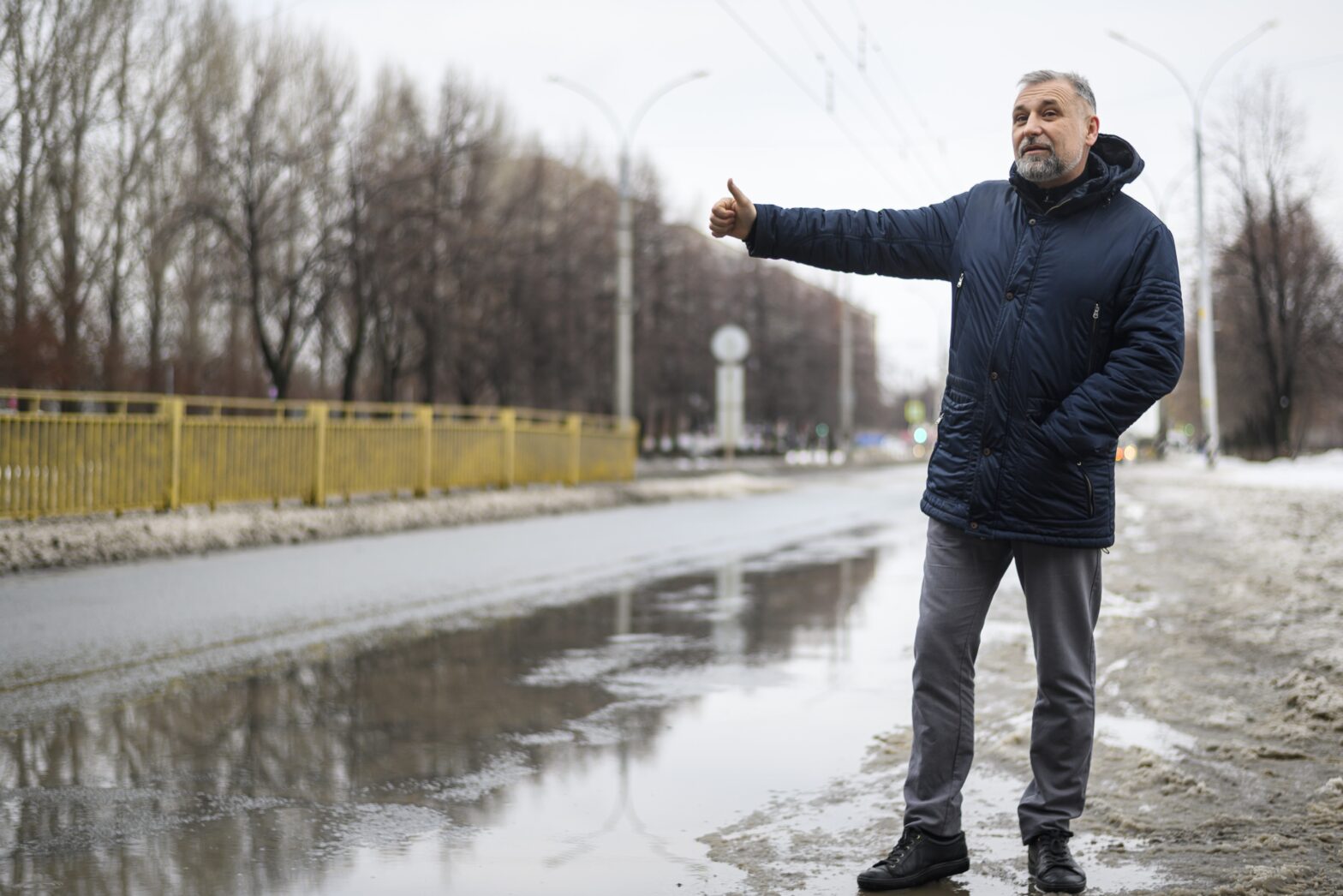
Stormwater management is emerging as a powerful need throughout Canada as the population keeps on increasing, the weather patterns are changing, and cities are reinforcing compliance with the environment. Regardless of the nature of the project be it residential development, commercial constructions, municipal infrastructure or industrial development, water movement across the land directly influences the environment, safety, regulations and future property values.
This is a complete overview of the whole image of Stormwater Management– what it is, how it operates, why it is important, and how the most optimal solutions can be introduced by planning and engineering professionals. It goes through Stormwater Drainage Design, relevance of Stormwater Management Plan (SWMP), and the necessity of Stormwater Runoff Control in contemporary developments also.
What Is Stormwater Management?
Stormwater Management is the process of collecting, controlling, and safely directing rainwater and melted snow so it doesn’t create flooding or damage. When water flows across roofs, roads, driveways, and open land, it can gather dirt, chemicals, and debris. Proper management ensures this water is handled safely and responsibly.
In Canada where weather can shift from heavy rainfall to fast snowmelt effective Stormwater Management is essential for protecting both communities and the environment.
Key goals of Stormwater Management include:
- Preventing flooding around homes, commercial buildings, and public spaces
- Protecting infrastructure such as roads, foundations, basements, pathways, and parking lots
- Reducing pollution caused by oils, chemicals, sediments, and debris
- Ensuring developments meet municipal and provincial stormwater regulations
- Preserving natural water bodies like rivers, lakes, ponds, and wetlands
- Supporting groundwater recharge and improving long-term water quality
Overall, Stormwater Management helps create safer communities, protects the environment, and supports sustainable growth making it a core part of modern civil engineering and land development in Canada.
Why Stormwater Management Matters ?
As Canadian cities continue to grow, natural landscapes like grass, soil, and vegetation are increasingly replaced with concrete, asphalt, rooftops, and paved areas. These hard surfaces prevent rainwater and snowmelt from soaking into the ground, causing a range of challenges for communities.
When water can’t naturally absorb into the soil, it leads to:
- Faster and heavier stormwater runoff
- Higher risks of neighbourhood and roadway flooding
- Soil erosion around properties and open spaces
- Pollutants like oils, sediments, and chemicals entering rivers and lakes
- Added pressure on municipal drainage and storm sewer systems
Canada is also experiencing more intense weather events, including sudden heavy rainstorms and rapid spring snowmelt. These conditions make effective Stormwater Management more important than ever for protecting both infrastructure and the environment.
To address these challenges, municipalities across Ontario, British Columbia, Alberta, and other provinces now require Stormwater Management designs and engineering approvals for most new developments. As a result, builders, developers, and property owners increasingly depend on skilled engineering professionals to create sustainable, compliant, and long-lasting stormwater solutions.
Understanding the Design of Stormwater Management Systems
Stormwater Drainage Design is a crucial part of land development and civil engineering. It ensures that rainwater and snowmelt are properly controlled, safely redirected, and efficiently discharged from a site. By understanding how water flows, how quickly it gathers, and where it needs to go, engineers can prevent flooding, erosion, and long-term property damage.
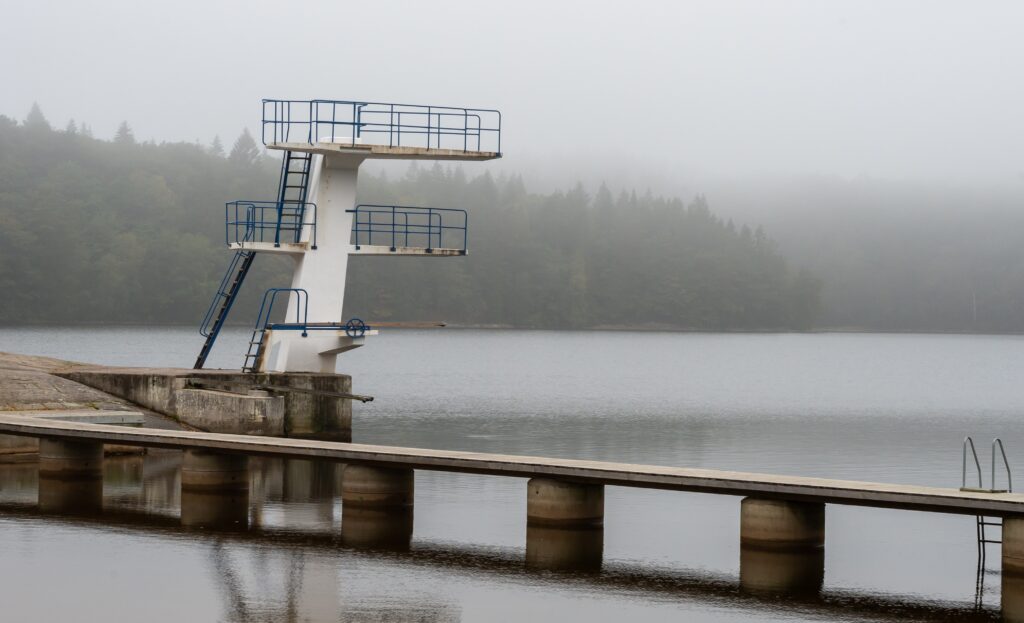
A well-designed drainage system includes several key components:
Grading and Site Elevation Planning
Proper grading creates the right slopes so water naturally moves away from buildings and toward designated drainage areas, reducing the risk of pooling or foundation issues.
Catch Basins and Inlets
These structures collect stormwater runoff and direct it into underground systems, preventing flooding in driveways, parking lots, and roadways.
Storm Sewers and Pipes
Pipes carry collected water to municipal storm sewers or approved discharge points, ensuring smooth flow even during heavy rainfall.
Retention and Detention Systems
These systems store excess stormwater either temporarily or permanently:
- Retention ponds hold water year-round, improving water quality and supporting natural habitats.
- Detention ponds store water briefly during storms and release it slowly to prevent overwhelming downstream systems.
Swales and Ditches
Engineered or natural channels help guide stormwater across a site, offering a cost-effective and eco-friendly way to manage runoff.
Permeable Pavements
These special surfaces allow water to pass through, reducing runoff and increasing natural groundwater recharge.
Together, these components form an Effective Stormwater Management Design that keeps a development safe, functional, long-lasting, and fully compliant with Canadian municipal standards. By planning drainage early in the development process, future risks like flooding, erosion, and structural damage can be significantly minimized.
What Is a Stormwater Management Plan (SWMP)?
A Stormwater Management Plan (SWMP) is a detailed engineering document that explains how a development will handle rainfall and snowmelt safely and responsibly. Across Canada, municipalities require an SWMP for most residential, commercial, industrial, and large-scale construction projects to ensure proper water control and environmental protection.
A strong SWMP helps prevent flooding, reduces pollution, and ensures a project meets municipal bylaws and provincial regulations.
A complete SWMP typically includes:
1. Site Analysis
A review of the site’s soil, slopes, drainage patterns, and existing water flow to understand how the land behaves during storms.
2. Pre- and Post-Development Runoff Calculations
Engineers compare how much water flows across the land before construction and how much will flow afterward. This helps predict future stormwater impacts.
3. Stormwater Runoff Control Strategy
A clear plan for how the development will reduce flooding risks and protect natural water bodies through proper drainage and flow control.
4. Drainage Design Components
The structural systems involved, including pipes, culverts, channels, catch basins, grading plans, and outlet locations.
5. Water Quality Measures
Techniques used to remove pollutants from runoff, such as oil-grit separators, filter media, sediment traps, and eco-friendly treatment systems.
6. Erosion and Sediment Control Plan
A strategy to prevent soil erosion and sediment movement during construction, protecting nearby land and waterways.
7. Long-Term Operation and Maintenance Plan
Guidelines for maintaining stormwater facilities so they stay effective and safe for decades.
Importance of Stormwater Runoff Control
Stormwater Runoff Control is a key part of effective Stormwater Management and plays a major role in protecting communities from water-related damage. Runoff occurs when rainwater or melting snow flows over the ground instead of soaking into the soil. As cities grow and natural surfaces are replaced with pavement and buildings, runoff becomes faster and heavier making proper control essential.
Without effective runoff management, several problems can occur:
- Flooding around homes, yards, and commercial properties
- Road and pathway damage caused by washouts
- Water seeping into basements and foundations
- Overloaded sewer systems that lead to backups and overflow
- Soil erosion that weakens landscapes and construction sites
- Pollution traveling into rivers, lakes, and natural ecosystems
To prevent these issues, engineers use a variety of Stormwater Runoff Control strategies:
• Retention and Detention Ponds
These systems store stormwater either permanently or temporarily to reduce peak flow and prevent sudden flooding.
• Green Infrastructure
Eco-friendly solutions such as green roofs, rain gardens, bioswales, and planted buffer zones help absorb water naturally and filter pollutants.
• Infiltration Basins
These features encourage stormwater to soak into the ground, restoring natural groundwater levels and reducing surface runoff.
• Underground Storage Systems
Ideal for dense urban areas, these systems temporarily store stormwater beneath parking lots, roads, and buildings.
• Flow Control Devices
Tools like valves, orifices, and weirs help regulate how quickly stormwater is released from a site.
By implementing Stormwater Runoff Control effectively, developments become more resilient, environmentally responsible, and safer.
Modern Approaches to Stormwater Management in Canadian Projects?
Canadian provinces are increasingly adopting sustainable design practices, often requiring:
- Low-Impact Development (LID)
- Climate-resilient design standards
- Green building certifications
- Municipal compliance with stormwater by-laws
Common LID features include:
- Vegetated swales
- Infiltration trenches
- Permeable paving
- Rainwater harvesting systems
- Green parking lot design
These methods not only control stormwater but also improve aesthetics, reduce long-term maintenance costs, and support local ecosystems.
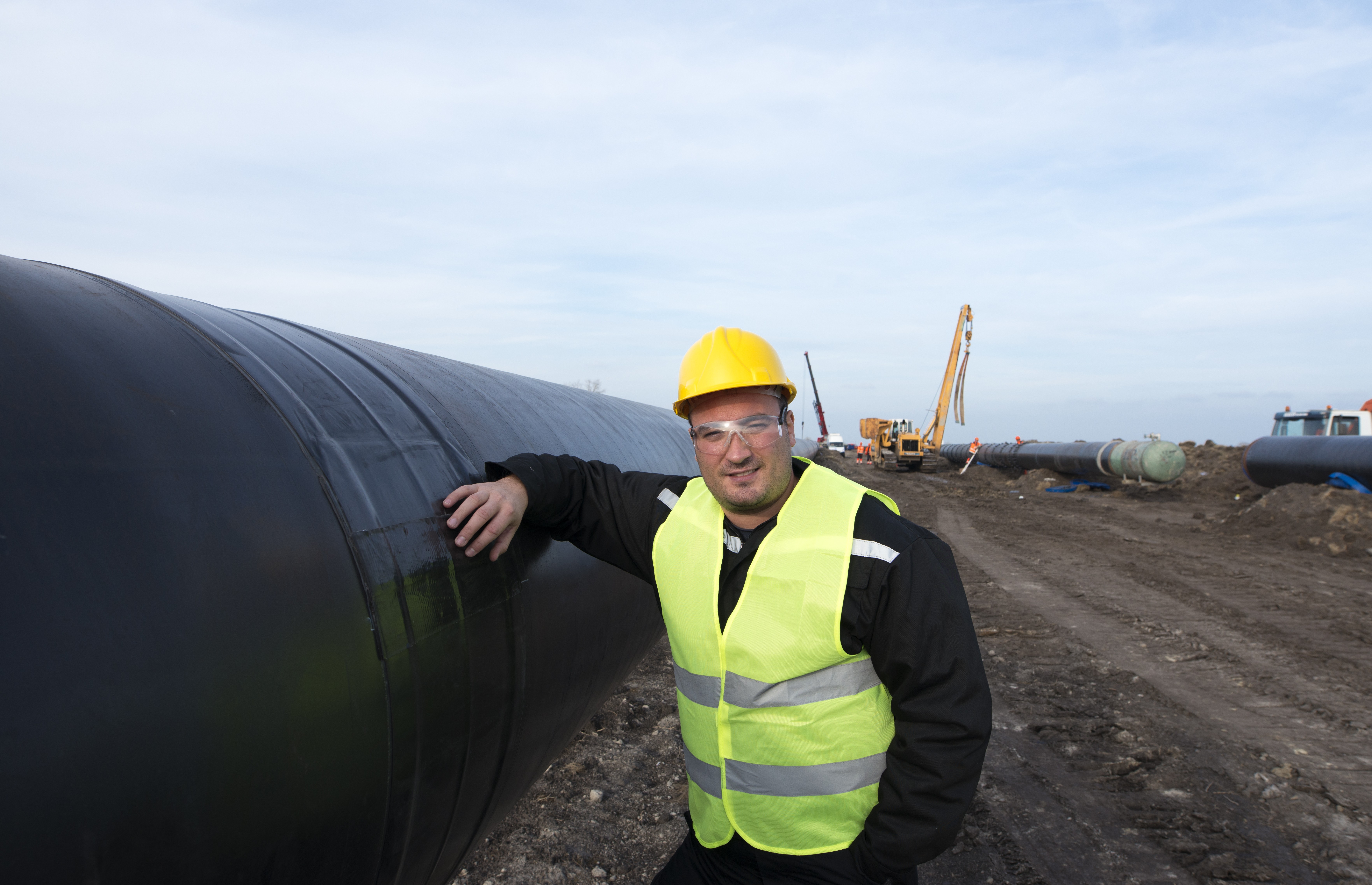
Stormwater Management Practices for Modern Projects
Across Canada, municipalities and engineering teams are rapidly adopting modern, resilient, and sustainable approaches to Stormwater Management, following updated environmental standards and municipal by-laws. Provinces such as Ontario, British Columbia, and Alberta have strengthened their development requirements, ensuring all new projects incorporate solutions that reduce flooding, protect water quality, and support long-term resilience.
To meet these expectations, Canadian n Engineering Inc. firms commonly implement:
- Low-Impact Development (LID)
A design approach that mimics natural hydrology by slowing, storing, and infiltrating stormwater close to its source. - Climate-resilient design standards
New design storms, larger pipe sizing, and updated IDF curves help address increasing rainfall patterns. - Green building certification requirements
Programs like LEED, Envision, and Green Globes encourage environmentally responsible development. - Municipal stormwater by-law compliance
Local regulations now emphasize runoff volume reduction, pollution control, and onsite water retention.
Popular LID Features Used in Modern Developments
- Vegetated Swales
These landscaped channels slow stormwater, reduce peak flows, and provide natural filtration. - Infiltration Trenches
Ideal for parking lots and commercial developments, these trenches store runoff and let it percolate back into the soil. - Permeable Paving
Surfaces like permeable concrete and porous asphalt reduce runoff by allowing water to seep directly into the ground. - Rainwater Harvesting Systems
Used for irrigation, flushing, and non-potable systems, these solutions help reduce municipal water demand. - Green Parking Lot Designs
Incorporating bioswales, landscaping islands, infiltration zones, and tree canopies to minimize heat and runoff.
These modern methods enhance Stormwater Drainage Design, improve aesthetics, reduce long-term maintenance costs, and support healthier urban ecosystems. They also encourage developers to meet the requirements of a modern Stormwater Management Plan (SWMP) while ensuring efficient Stormwater Runoff Control across residential, commercial, and municipal projects.
Designing for the Future
As climate change accelerates, the volume and intensity of storm events across Canada are increasing. Urbanization compounds this challenge by creating large impermeable surfaces that prevent natural infiltration. Without proper planning, communities face rising risks such as localized flooding, overwhelmed drainage systems, property damage, and environmental degradation.
This is why future-ready Stormwater Management solutions are becoming essential—not optional.
Benefits of Forward-Thinking Stormwater Planning
A proactive and comprehensive strategy creates:
- More resilient communities
Able to recover quickly from extreme weather and flooding events. - Lower maintenance and operational costs
Sustainable systems reduce long-term investment in repairs and upgrades. - Safer neighbourhoods
Proper drainage prevents water pooling, ice formation, and roadway hazards. - Cleaner rivers, lakes, and streams
Pollution filtration protects natural habitats and improves water quality. - Sustainable urban growth
Allows cities to expand responsibly without putting the surrounding environment at risk.
By following practices in Stormwater Drainage Design, developers and municipalities can ensure long-term efficiency, environmental protection, and regulatory compliance. The engineering expertise provided by firms such as n Engineering Inc. ensures that infrastructure remains durable, adaptable, and fully compliant with evolving Canadian standards.
Frequently Asked Questions
1. What is included in a Stormwater Management Plan (SWMP)?
A Stormwater Management Plan (SWMP) outlines how a site will handle rainfall, snowmelt, and runoff before, during, and after construction. It includes:
- Stormwater Drainage Design
- Runoff calculations and flow modelling
- Erosion and sediment control measures
- Water quality protection strategies
- Low-Impact Development (LID) methods
- Long-term maintenance requirements
- Pre- and post-development comparisons
- Compliance with municipal and provincial regulations
An SWMP ensures that the project reduces flooding risks and meets environmental guidelines.
2. Why is Stormwater Runoff Control important?
Stormwater Runoff Control is essential for protecting both properties and the environment. Proper control:
- Prevents flooding and pooling on surfaces
- Reduces soil erosion and slope instability
- Avoids sewer backup and overflow
- Minimizes basement leaks and structural damage
- Filters pollutants before they reach natural water bodies
- Helps meet local stormwater regulations and development approvals
It improves safety, reduces maintenance costs, and protects local ecosystems.
3. How does Stormwater Drainage Design work?
Stormwater Drainage Design ensures that rainfall is collected, transported, treated, and discharged in a safe, regulated way. A typical design uses:
- Grading and surface sloping
- Catch basins and storm inlets
- Storm sewers and manholes
- Culverts, channels, and swales
- Retention and detention ponds
- Infiltration trenches or chambers
- Permeable surfaces and LID features
These components work together to manage flow rates, prevent flooding, and improve water quality.
4. Do all developments need a Stormwater Management Plan?
Most Canadian municipalities do require an SWMP for:
- Residential subdivisions
- Commercial developments
- Industrial sites
- Roadway and infrastructure projects
- Large property renovations or expansions
Requirements vary by province, municipality, and project size. Some small projects may need only basic drainage analysis, while larger developments must submit detailed hydrologic and hydraulic modelling.
Want to read more about sustainable urban development? Click below to explore our latest blog posts:-