
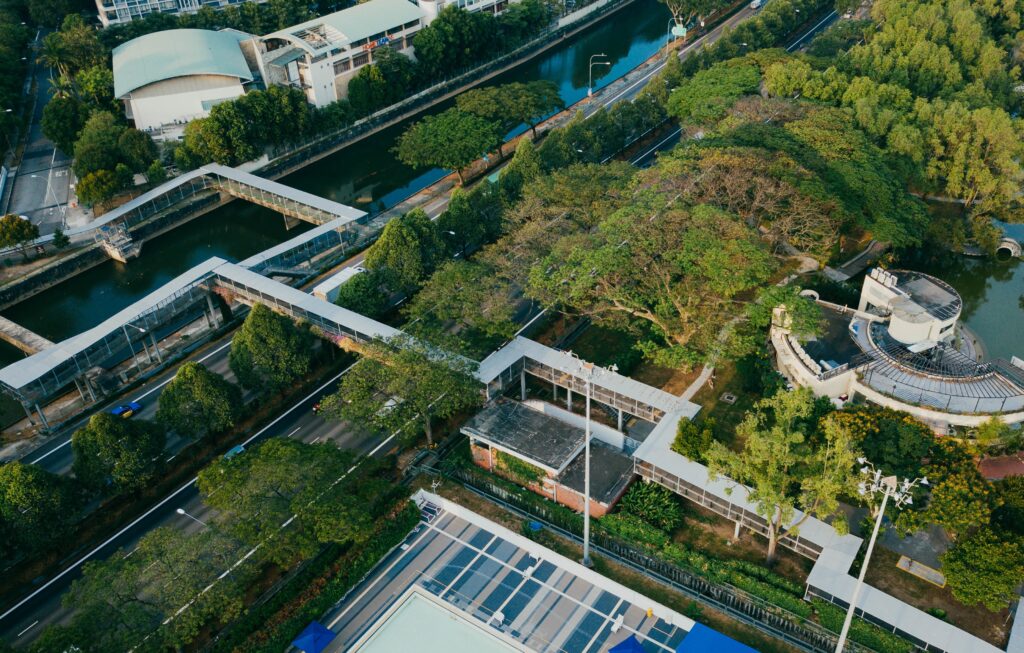
Stormwater management is no longer an optional consideration—it’s a necessity. With increasing urbanization, changing weather patterns, and the growing threat of floods, Canada faces mounting challenges in managing surface water runoff. The need for reliable, sustainable, and forward-thinking solutions is at an all-time high.
This is where stormwater management solutions Canada depends on play a critical role. Whether it’s a private developer building new residential sites, or municipalities upgrading aging infrastructure, effective stormwater systems are essential to protect communities, preserve ecosystems, and comply with environmental regulations.
In this blog, we’ll discuss why the stormwater management solutions Canada offers are crucial today, how firms like n Engineering are leading this effort, and what you should consider before selecting a provider.
Understanding Stormwater Management in the Canadian Context
Stormwater management refers to the strategies, infrastructure, and practices used to manage rainfall and melted snow that doesn’t naturally absorb into the ground. Instead of soaking into soil, water runs off surfaces like roofs, roads, driveways, and sidewalks—carrying with it dirt, chemicals, oils, and other pollutants.
Without a proper management system in place, stormwater can cause:
- Urban and suburban flooding
- Water contamination in rivers and lakes
- Soil erosion and sediment build-up
- Infrastructure strain and property damage
The increasing frequency of extreme weather events in Canadian cities, especially in Ontario, Alberta, and British Columbia, has brought the need for stormwater management solutions Canada into sharp focus. Urban centers are seeing higher volumes of stormwater due to more impermeable surfaces and less green space.
Key Components of a Stormwater Management System
To be effective, stormwater systems must be designed with careful consideration of the local geography, rainfall patterns, urban development plans, and sustainability goals. The stormwater management solutions Canada includes a combination of the following components:
1. Retention and Detention Basins
These structures temporarily hold stormwater to prevent flooding and allow sediments to settle before the water is discharged. Retention basins hold water permanently, while detention basins temporarily store runoff and release it slowly.
2. Permeable Pavement
This specialized surface allows water to pass through it rather than running off. It reduces surface water buildup and filters out pollutants.
3. Green Roofs and Rain Gardens
These eco-friendly systems absorb rainfall where it lands. Green roofs cover buildings with vegetation, while rain gardens are designed depressions that collect and filter runoff from impervious areas.
4. Underground Stormwater Storage
Especially useful in urban settings, these systems collect and store stormwater underground for later release or reuse, helping manage space constraints in dense environments.
5. Oil-Grit Separators and Filtration Units
These treatment systems remove oils, debris, and sediments from stormwater before it enters rivers, lakes, or municipal systems.
By combining these technologies with advanced planning, the stormwater management solutions Canada ensure long-term efficiency and compliance with federal and provincial standards.