
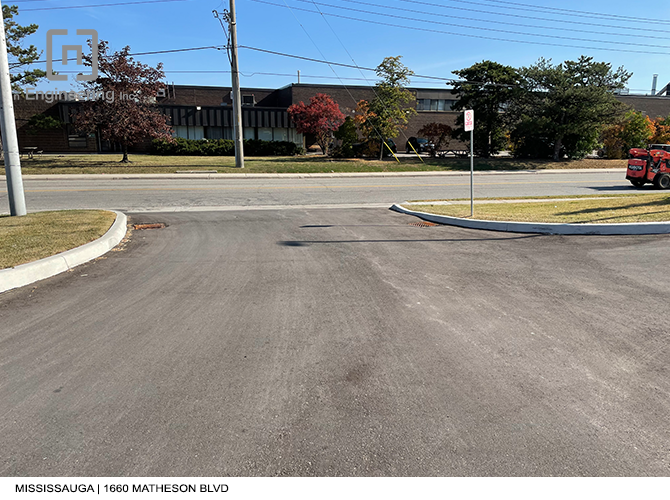
In Canada, urban expansion and infrastructure development are accelerating, making transportation impact studies a critical component of the planning process. A Transportation Impact Study (TIS) evaluates the effects of proposed developments on the surrounding transportation network.
What Is a Transportation Impact Study?
A Transportation Impact Study in Canada is a comprehensive analysis conducted during the planning and approval stages of new developments. It assesses how a proposed project will affect local traffic, public transit, pedestrian pathways, and cycling networks. The primary goal is to identify potential issues and recommend solutions to mitigate them.
Key objectives include:
- Determining traffic generation and distribution patterns
- Assessing the capacity and performance of existing transportation networks
- Evaluating safety concerns for all road users
- Proposing measures to address identified challenges
This proactive approach ensures that developments align with community goals and support sustainable growth.
The Importance of Transportation Impact Studies
Canada’s growing cities face increasing pressure on their transportation systems. A well-executed TIS helps balance development needs with infrastructure capacity. Here are some reasons why a TIS is essential:
1. Promoting Sustainable Urban Growth
By evaluating potential traffic impacts, transportation consultants ensure that new projects align with long-term urban planning objectives. This prevents overburdening existing infrastructure and encourages the use of sustainable transportation options, such as public transit and active transportation.
2. Enhancing Safety for All Users
Safety is a top priority in transportation planning. A TIS identifies potential hazards and recommends design adjustments to reduce risks for drivers, pedestrians, and cyclists.
3. Informing Decision-Making
Municipalities rely on TIS reports to make informed decisions about zoning approvals, infrastructure investments, and development permits. A comprehensive study provides data-driven insights, enabling effective resource allocation.
Transportation Impact Study Process
Conducting a TIS involves several key steps:
1. Scoping and Data Collection
The first step is to define the study’s scope in consultation with municipal authorities. This includes identifying:
- Study area boundaries
- Key intersections and roadways to analyze
- Data collection methods (e.g., traffic counts, speed surveys)
2. Traffic Analysis
Using the collected data, transportation consultants evaluate current traffic conditions and forecast future scenarios based on the proposed development. Advanced simulation tools are used to model traffic flows and identify potential congestion points.
3. Impact Assessment
The study assesses how the development will affect traffic patterns, road capacity, and safety. This includes evaluating:
- Intersection delays and level of service (LOS)
- Impacts on public transit systems
- The adequacy of pedestrian and cyclist infrastructure
4. Recommendations
Based on the analysis, the TIS proposes mitigation measures such as:
- Signal timing adjustments
- Adding turning lanes or roundabouts
- Enhancing pedestrian crossings and bike lanes
- Promoting alternative transportation modes
5. Reporting and Review
The findings are compiled into a detailed report, which is reviewed by municipal authorities and stakeholders. This ensures transparency and alignment with local planning requirements.
The Future of Transportation Planning in Canada
Transportation impact studies are evolving to address emerging trends and technologies. Key areas of focus include:
1. Integration of Smart Transportation Systems
Innovations such as real-time traffic monitoring and adaptive traffic signals enhance the accuracy and effectiveness of TISs. These technologies help optimize traffic flow and improve road safety.
2. Emphasis on Sustainable Transportation
Encouraging public transit use, cycling, and walking is becoming a cornerstone of urban planning. Future TISs will increasingly prioritize infrastructure that supports these modes.
3. Autonomous Vehicles and Their Impacts
The rise of autonomous vehicles presents new challenges and opportunities for transportation planning. Studies will need to consider their effects on traffic dynamics and infrastructure requirements.