
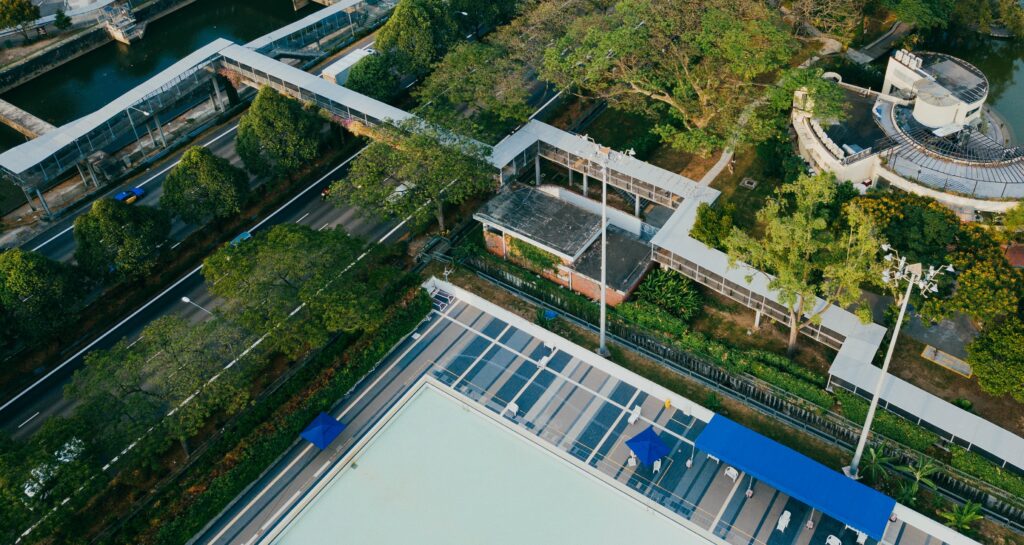
Urbanization comes with a lot of challenges, and one of the most complicated and pressing problems is the way to control the rainwater runoff. There are more frequent and intense storms regularly hitting cities across Canada and this puts the older infrastructure under a lot of pressure. Municipalities and developers are responding to this by adopting sophisticated methods of urban drainage system design which not only applies the trusted engineering expertise but which is environment-friendly.
Understanding Urban Drainage System Design
The design of Urban draining systems is planning and construction of the infrastructure to handle rainwater in the built cities. In comparison with the countryside where the natural absorption might take place, there are impervious surfaces in cities such as asphalt, concrete, and roofs. Such surfaces result into fast flowing of rainwater to the streets, storm drainage systems and sewer lines-and usually they get overwhelmed resulting to flooding or contamination of water.
A good drainage design will make the water to be captured, conveyed, treated and discharged well. It does not only take into account the amount of run off, but also its quality. Contemporary drainage needs will have to conform to the changing design of city planning, legislation on the environment, and sustainability.
An effective urban drainage system design takes into consideration that both environmental impact and functionality of the system must be taken into consideration, short term risks of flooding and long-term resilience of urban centres.
The Importance of Urban Drainage Design
Varying and sometimes unpredictable climate in Canada including heavy snow falls in Quebec and broad-based rainfall in British Columbia also makes proper design of an urban drainage system a requirement in this nation. With the growth of cities and climate change, weather events are getting more intense, making the management of stormwater all the more important in protecting infrastructure, avoiding damage to property, and meeting the needs of people’s safety. In a situation where there are no proper drainage systems to ensure that the water drains away, the urban settlements will experience an increased threat of surface flooding, erosion and water contamination.
The municipalities in Canada are coming up with solutions to counter these challenges by ensuring that comprehensive drainage plans are becoming an essential part of any development and subdivision permit. This has resulted in the growth in demand of the most optimal solutions in the urban drainage system design– the design solutions that not only pass the rigid bio-environmental and engineering tests, but also facilitate sustainability in the long run. The urban drainage system design service providers not only will just be compliant but with innovative and location-specific approaches that balance meticulous performance with environmental protection, which will make cities resilient and ready to face the future.
Key Elements of the Urban Drainage System Design
A lousy urban drainage system is the product of poor planning, hollowness in technical detail and absolute lack of recodification of local site conditions as well as the larger environmental dynamics.
Not only is it important to divert the water but it is also of paramount importance to build a system of water grids that will work under pressure as well as it should match the principles of sustainability and municipal code.
There are of course the core components which are involved in the urban drainage system design such that it is safer, efficient and adds value in the long term:
Hydrological and hydraulic analysis: Construction of accurate models assists engineers in the analysis of the behavior of stormwater on the site, such as what the peaks flow rates will be and what the flood-prone areas are in order to be able to design to withstand both normal and extreme events.
Storm Sewer Sizing and Layout: Appropriate sizing of the pipes and proper design of positions is an assurance that drainage systems will have the capacity to capture quantity of storm water in a 2-year to 100 -year storm without overloading it.
Low Impact Development (LID) characteristics: The system of urban drainages is designed to have green infrastructure which includes bioswales, rain gardens, and pervious pavements so that runoff is less, filtration is more, and water quality is good overall.
Storage and Detention Facilities: underground tanks, retention ponds or detention basins aid in timing the release of the stormwater to help control erosion and limit the pressure on downstream systems.
Stormwater Quality Controls: Such important characteristics as oil-grit separator, sediment traps, filter strip are used to eliminate pollutants prior to the water being released into the nearby water regions.
All these are the pillars of the most optimal design of an urban drainage system based on cost-effectiveness, environmental soundness, and complete absence of non-compliance with local and provincial policy statements relative to drainage. The urban drainage system design is not only useful in terms of addressing the present problems but can also sustain urban growth and climate resiliency.
How n Engineering Inc. Delivers Proven Solutions
Riding high on the back of its extensive presence in Ontario, and yet a growing list of satisfied clients across the province, It has managed to establish a brand name in the field of designing drainage systems within urban environments. The firm is known to be technically accurate, regulatory expert and project effective, which always provides high-performance solutions, also practical and futuristic. They are not only keen on water control, but sustainability on the long term and the ease of the approval process.
The Role of Drainage Design in Smart City Development
In today’s smart cities, infrastructure has to be adaptive and sustainable and neither is urban drainage system design. Today’s systems include also real-time monitoring, climate responsive planning and green design as the tools to better handle stormwater. Through the use of these technologies, cities can start to respond to extreme weather more quickly, while also cutting down on the environmental impact.
Why n Engineering Inc. is a Reliable Partner
Known to provide the design of an urban drainage system, by n Engineering Inc. has become a trusted ally to many major projects by the government and other civic minded activities. They offer full range services that comprise site grading and drainage have detailed grades and plans modelling, erosion and sediment control strategies and smooth coordination of the municipal authorities.
All schemes are developed to address the demands of the project and comply with provincial regulations and environmental requirements. It is highly committed to transparency, innovation, and prompt delivery to deliver the optimum urban drainage system design that can facilitate the long-term sustainability of an urban space, resilience of infrastructure, and smart city. They have a tried and tested reputation all across the Ontario and Canada region making them a go-to engineering firm in progressive developments.
Final Thoughts
Urban planning has reduced the significance of urban drainage as a mere background factor of city design—it is now a very central pillar towards establishing a sustainable, liveable, and future-ready community. Due to the increase in size and the rise in climate issues that cities face, it is critical to reduce the risk of floods, safeguard infrastructure, and protect the environment by implementing a well-designed urban drainage system.
When the urban drainage system is design, investing in this will guarantee long-term value and adherence to the changes in regulations as well as smart city objectives. Working with specialists such as n Engineering Inc., which focuses on providing urban drainage systems design solutions, the stakeholders can be sure that they are developing freely not only in current conditions but also in terms of challenging that are ahead. Whether designing to order or taking it to a superior model, their work brings tough, cost-effective and eco-friendly outcomes.