
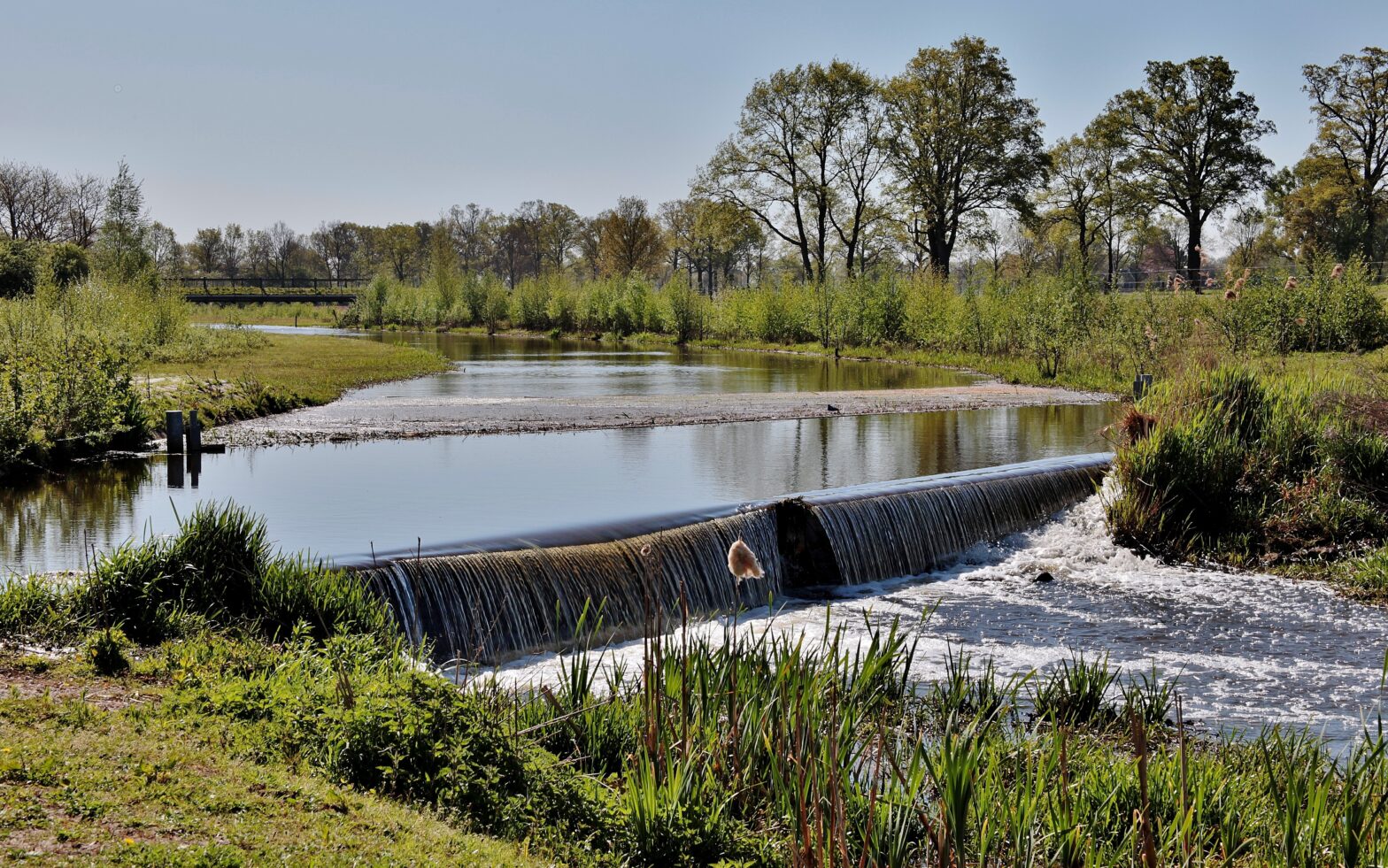
The stormwater management is now one of the most urgent issues of cities in the modern era of climate change, intensive urbanization, and an increase in rain levels. Stormwater management is crucial in the overall maintenance of the environment and averting floods and ensuring that the urban structures are operational and sustainable.
To fight these problems, cities in the world are transitioning into green drainage systems (SuDS) and new methods of managing water in the city. With clever planning, green design and integrated planning, communities can create a water-resilient future that keeps people and the planet safe.
What Is Stormwater Management and Why Is It Important?
The process of controlling, collecting and using runoff water due to rainfall or melting snow is termed as stormwater management. Historically, cities were using concrete pipes and underground systems to drain stormwater within a short duration. Nevertheless, such solution frequently resulted into water contamination, soil erosion, and recurrent urban flooding since there was no natural absorption.
The contemporary stormwater management is cantered on the imitation of the natural water cycles. Rather than merely channelling away water, it focuses on cooling the water, naturally filtering the water though vegetation and soil, and promoting the penetration into the ground. Such sustainable practices not only minimize risks of flooding but also restore ground water, enhance water quality and sustain local ecosystem.
- The essential Stormwater Management Objectives.
- Reduce the incidences of floods in urban and suburban settings.
- Less pollution and water quality improvement.
- Conserve water catchment and local biodiversity.
- Infiltrate ground water into the ground.
- Encourage environmentally friendly urbanization.
Why Stormwater Management Matters in Modern Cities
With rapid urbanization, natural landscapes that once absorbed rainwater are being replaced by concrete roads, tall buildings, and paved areas. These impervious surfaces prevent water from soaking into the ground, causing rainwater to rush into drainage systems. The result is frequent flooding, waterlogging, and soil erosion common challenges in today’s growing cities.
Environmental Impact
When stormwater flows unchecked, it often picks up pollutants like oil, chemicals, and debris, carrying them into rivers, lakes, and coastal waters. This not only degrades water quality but also threatens fish and aquatic ecosystems. Proper stormwater management helps prevent this by naturally filtering runoff through wetlands, green roofs, and vegetated basins, which act as living filters to clean and slow down the flow of water.
Economic Benefits
Flooding and water damage can cost cities millions in repairs and lost property value each year. By adopting smart stormwater management systems, municipalities can lower maintenance costs, extend infrastructure life, and protect real estate investments. In the long run, sustainable solutions are far more cost-effective than reactive repairs after flood events.
Social and Health Benefits
Beyond environmental and economic advantages, effective stormwater management improves community well-being. It reduces stagnant water a breeding ground for insects and diseases and enhances local air quality through greener spaces. Cleaner water, safer streets, and healthier ecosystems contribute to more liveable, resilient, and enjoyable urban environments for everyone.
Understanding Environmentally Friendly Drainage Solutions (SuDS)
Sustainable Drainage Systems (SuDS) are innovative, eco-friendly solutions created to manage stormwater in ways that replicate nature’s own methods. Rather than channelling rainwater rapidly through underground pipes, Suds encourage the water to soak, filter, and flow at a more natural pace. This approach reduces flooding, improves water quality, and supports healthier ecosystems in urban environments.
Core Principles of SuDS
- Manage water close to its source: Capture and treat rainwater right where it falls, reducing the strain on larger drainage systems.
- Mimic natural drainage: Let water infiltrate and evaporate naturally instead of rushing it through concrete channels.
- Improve water quality: Filter out pollutants using plants, soil, and natural barriers before runoff reaches rivers or lakes.
- Enhance biodiversity: Integrate green spaces that provide habitats for plants, birds, and small animals, helping cities become more vibrant and sustainable.
Popular SuDS Techniques in Urban Planning
- Permeable pavements: Specially designed surfaces that let rainwater pass through into the ground instead of pooling on great.
- Green roofs: Vegetated rooftops that absorb rainfall, improve insulation, and reduce urban heat.
- Rain gardens: Beautifully planted, shallow landscapes that collect and naturally clean runoff water.
- Swales: Gently sloped, vegetated channels that slow water movement and allow sediment and pollutants to settle out.
- Retention ponds: Attractive water features that temporarily store runoff and release it gradually, reducing flood peaks.
Together, these features make sustainable drainage systems (SuDS) a cornerstone of climate-resilient urban design. They not only manage stormwater efficiently but also beautify cities, improve air quality, and create a more harmonious connection between urban infrastructure and the natural environment.
Integrating Urban Water Management for the Future
Urban water management is a holistic approach to the management of all kinds of water drinking water, wastewater and stormwater within a city. The idea is to achieve a circular system; one that is balanced and creates less waste and promotes sustainability.
Important elements of Urban Water Management.
- Water supply efficiency: Cut down on water wastage by smart distribution.
- Recycling of wastewater: Use treated water in landscape and industry.
- Reuse stormwater: Gather rainwater and use it to non-portable purposes.
- Flood resilience planning: Incorporate urban design drainage.
Strong urban stormwater management models will lead to cities experiencing less water scarcity, decreased infrastructure expenditure, and enhancement of the population health.
How Stormwater Management and SuDS Work Together
By incorporating stormwater management, sustainable drainage systems (SuDS) and urban water management into city planning, an urban environment that is more resilient, adaptable and flexible is achieved. All these methods are used to assist communities in being ready to face heavy precipitation, mitigating the occurrence of floods, and safeguarding natural water sources.
Together, they ensure that:
- Water is neither wasted, nor is it addressed as a waste.
- The infrastructure is constructed under the safety, sustainability and performance in the long-term.
- The communities have cleaner, greener and healthier environments.
As an example, permeable pavements, green roofs, and rain gardens can be used in residential areas to absorb and filter rainwater in a natural way. Commercial zones may install rainwater harvesting institutions to recycle the water collected to the landscaping or building construction.
The working of these systems in mutual coexistence leads to reduced surface runoffs, enhanced water quality, and the creation of climate resilient cities. This stormwater management cum SuDS is the future of sustainable city planning in which all the rainwater will be harnessed, recycled, or filtered to ensure that the environment is safeguarded and the life of cities is improved.
Role of Engineering Expertise in Stormwater Solutions
Design of efficient stormwater management and sustainable drainage systems (SuDS) needs technical accuracy, environmental knowledge and urban planning skills. Here the professional engineering firms have a significant role to play.
n Engineering Inc. is also such a leader which focuses on the civil and environmental engineering solutions. They offer efficient systems that align with the sustainability objective through the application of innovative planning, data-driven modelling and modern drainage design.
n Engineering Inc. specializes in feasible solutions to hydrological research work to site services and infrastructure improvements to safeguard communities and boost resilience in the environment.
In addition, they have been involved in the management of urban water, and hence their projects incorporate efficiency, safety, and sustainability in the long term.
The Future of Stormwater Management
Looking ahead, the integration of digital technology, data analytics, and green infrastructure will transform how cities manage water. Real-time monitoring systems will track rainfall, runoff, and water quality, enabling quicker responses to flooding or pollution events.
Future cities will rely heavily on:
- Smart drainage grids
- IoT-based flood prediction systems
- Urban green networks for infiltration and cooling
Through collaboration between policymakers, engineers, and communities, stormwater management will evolve into a cornerstone of sustainable urban development.
Conclusion
Stormwater management is not an n Engineering Inc. process but a long-term process to construct safer, greener, and more sustainable cities. Implementing sustainable drainage systems (SuDS), and setting up an urban management of water in all development processes, communities are able to mitigate flooding, save on the environment and build spaces that survive despite the changing climatic conditions.
This vision will require well-established engineering skills, constant innovation, and involvement in the community. Companies such as n Engineering Inc. are critical to making these ideas a reality as solutions to the world- changing challenges – by demonstrating that smart design and sustainability can collaborate to create a truly water-safe future.
Frequently Asked Questions
1. What is the main purpose of stormwater management?
Controlling surface flow, minimization of flooding, and improving water quality are the most important functions of stormwater management. It also contributes to the sustainable urban development through conservation of the ecosystems and maintenance of groundwater.
2. How do sustainable drainage systems (SuDS) work?
Sustainable Drainage Systems (SuDS) involve the treatment of rainwater by natural processes. They decelerate, filter, and retain the run-off by the use of strategies such as green roofs, rain gardens, swales, and permeable pavements, which contribute to reducing pollution and curbing flooding.
3. What is the difference between stormwater management and urban water management?
The stormwater management is limited in its scope to water runoff mainly on rain water, whereas the urban water management is more comprehensive. It links the stormwater, wastewater, and water supply systems in order to have efficient, resilient, and sustainable cities.
4. Why is stormwater management important for climate change adaptation?
With climate change that is quite unpredictable in rainfall, proper stormwater management will assist cities to cope better by minimizing risks of floods, water conservation, and infrastructure and community protection.
Want to read more about sustainable urban development? Click below to explore our latest blog posts:- https://www.nengineering.com/what-is-stormwater-management-and-why-it-matter/