
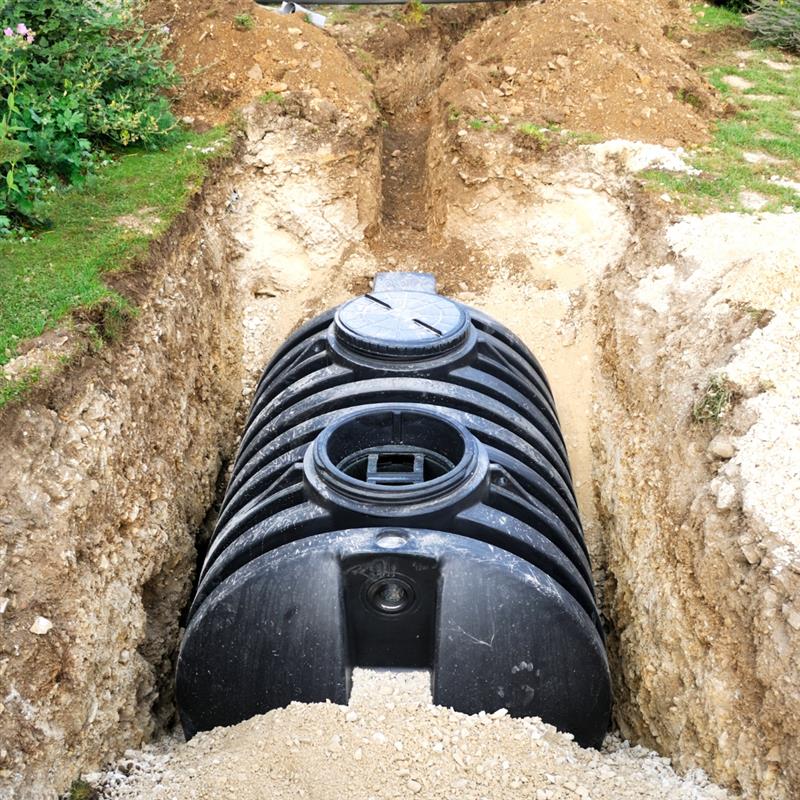
A properly designed septic system is essential to keep a home safe, clean, and environmentally responsible. As more people become aware of wastewater management solutions, homeowners are increasingly seeking professional services for septic system design that not only meet local regulations but also ensure long-term durability. A well-designed septic system helps protect your property from contamination, prevents unnecessary and costly repairs, and promotes healthier living for your family.
n Engineering Inc. is a reliable company providing professional services in septic system installation and custom planning. Their team focuses on developing effective and sustainable solutions tailored to the needs of individual homes. Through innovative design methods and extensive field experience, they deliver dependable results.
What Is Septic Design and Why It Matters?
Septic design involves the careful planning and development of a system that collects, treats, and properly disposes of household wastewater. A properly designed system protects your home and property while preventing groundwater contamination and ensuring efficient wastewater management. Proper septic design is essential for long-term safety, environmental protection, and system performance.
Major Considerations in Septic Design
When designing a septic system, several key factors must be considered to ensure proper functionality:
1. Soil Type
The type of soil on your property determines how well wastewater can be absorbed and filtered. Proper soil testing is essential to ensure effective drainage and to prevent issues such as backups or contamination.
2. Property Size
The size of your property affects the system design and capacity. Larger properties can accommodate bigger drainage fields, while smaller plots require careful planning to maximize available space.
3. Household Water Usage
The amount of water your household uses directly impacts the system’s capacity requirements. Homes with higher water usage may need larger tanks or advanced treatment systems.
4. Local Regulations
Compliance with municipal and environmental regulations is crucial. Proper planning ensures your system meets all legal requirements, avoids fines, and remains reliable over time.
Why Proper Septic System Installation Is Essential
Proper septic system installation is critical to maintaining a safe home and environment. Poor installation can lead to system failure, groundwater contamination, unpleasant odors, and costly repairs. Professional installation ensures that your system operates efficiently and reliably for years to come.
Key Steps in Professional Installation
Professional installation typically includes:
- Site Preparation: Preparing the land for system installation.
- Tank and Pipe Installation: Installing tanks, pipes, and drain fields according to approved plans.
- Proper Alignment and Slope: Ensuring wastewater flows smoothly without blockages.
- Final Testing: Verifying that the system functions correctly before approval.
Smart and Sustainable Wastewater Solutions
Modern homes require efficient and sustainable wastewater management systems to protect the environment and support healthy living. A well-designed system not only prevents pollution but also reduces the risk of waterborne diseases.
Key solutions include:
- Advanced Septic Tank Designs: Improved filtration for cleaner wastewater treatment.
- Engineered Drain Field Systems: Designed for optimal absorption and reduced surface water issues.
- Routine Maintenance Programs: Regular inspections and servicing to extend system lifespan.
- Greywater Recycling: Reusing water from sinks, showers, and laundry to conserve water.
n Engineering Inc. designs comprehensive wastewater management systems that combine modern technology with industry expertise. Their team ensures systems are efficient, environmentally friendly, and built to last.
Home Septic Solutions for New Construction and Upgrades
Homeowners building new homes or upgrading existing systems should carefully plan their residential septic systems. Proper planning ensures the system meets household needs while complying with environmental and municipal regulations.
The planning process typically includes:
- Property Evaluation: Assessing soil, terrain, and layout suitability.
- Water Usage Estimation: Determining household water needs.
- System Design: Planning tank size, drain fields, and layout for optimal efficiency.
- Permits and Approvals: Securing necessary municipal documentation.
Working with professionals like n Engineering Inc. helps homeowners avoid costly mistakes and ensures a safe, durable, and efficient system.
Why This Matters
Proper septic system design, professional installation, and careful residential planning are essential for protecting your home, family, and environment. With experienced professionals like n Engineering Inc., you can have peace of mind knowing your system will operate safely, efficiently, and sustainably.
Benefits of Professional Septic Design Services
Professional septic design services offer many advantages:
- Environmental Protection: Prevents groundwater contamination and supports a healthier ecosystem.
- Cost Efficiency: Reduces the risk of system failure and expensive repairs.
- Regulatory Compliance: Ensures adherence to all local and environmental laws.
- Longevity: Extends the lifespan of your septic system.
- Peace of Mind: Ensures reliable and safe system operation.
Signs You Need Septic System Installation or Maintenance
Even well-designed systems require regular maintenance. Watch for these warning signs:
- Slow-draining sinks or toilets
- Unpleasant odors near the septic area
- Standing water or soggy soil in the drain field
- Unexpected increases in water bills
Addressing these issues promptly with professional help will keep your system functioning properly.
Eco-Friendly Wastewater Management
Sustainable wastewater solutions are increasingly important in modern homes. Eco-friendly approaches include:
- Energy-Efficient Pumps: Reduce power consumption
- Biofilters or Aerobic Systems: Improve wastewater treatment
- Nutrient-Reduction Designs: Minimize environmental impact
These solutions help protect the environment while maintaining system efficiency.
Choosing the Right Septic Design Company
When selecting a septic design company, look for:
- Proven expertise in septic system installation
- Knowledge of local regulations
- Transparent pricing and maintenance services
- Strong client reviews and project portfolio
Frequently Asked Questions
1. How Often Should I Inspect My Septic System?
Experts recommend inspecting your system every 1–3 years to prevent blockages, leaks, or failures.
2. Can I Install a Septic System on a Small Property?
Yes, with proper planning. Professionals can design systems that work efficiently in limited spaces while meeting regulations.
3. What Maintenance Is Required?
Regular pumping, inspections, and occasional repairs are necessary. Advanced systems may require filter cleaning or component replacement.
Conclusion
Choosing the right company for septic design and residential planning is essential for a safe, efficient, and long-lasting system. Homeowners should look for experienced providers with strong knowledge of regulations, transparent pricing, and reliable maintenance services. Positive reviews and a solid project portfolio are strong indicators of quality.