
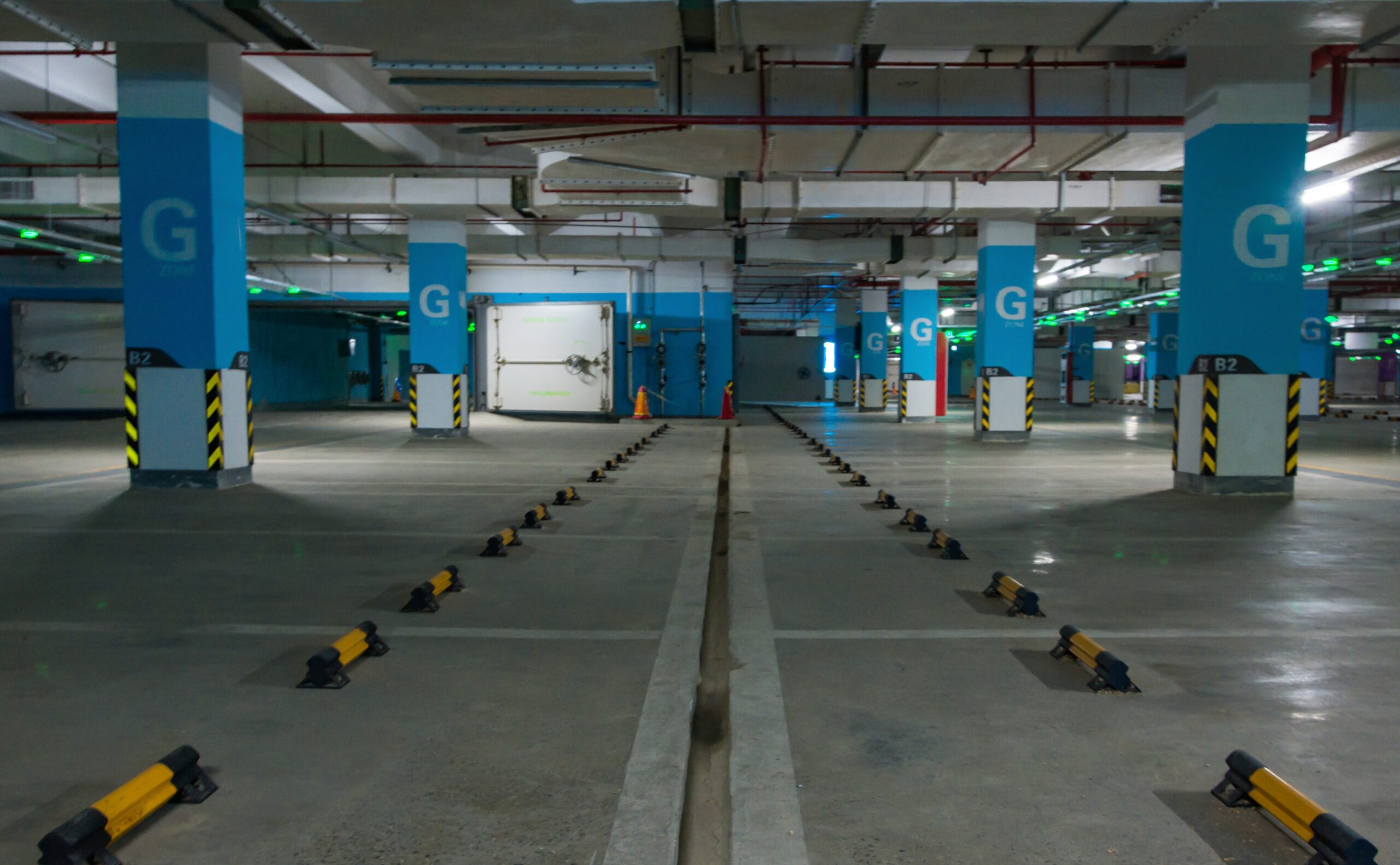
In today’s rapidly expanding urban environment, parking justification has become an essential part of the planning and approval process for any construction project. Whether it is a residential building, commercial plaza, or mixed-use development, municipalities increasingly require clear, data-driven parking studies to ensure optimal use of space and efficient traffic flow.
In this blog, we will explore the importance of parking justification, the structure of a parking justification report, and how such reports support parking requirements in site development. We will also examine the role of professional engineering firms, such as n Engineering Inc., in conducting research that meets municipal standards.
What Is Parking Justification?
Parking justification is the process of analyzing and documenting the number of parking spaces required for a specific development. It goes beyond simply counting vehicles; it is a technical assessment that considers land use, access to public transportation, local zoning by-laws, and user behaviour.
Municipalities often require a parking justification report to evaluate whether the proposed number of parking spaces meets both functional and regulatory requirements. This helps prevent over-provisioning or under-provisioning, promoting sustainable design and efficient land use.
Why Parking Justification Is Important for Construction Projects
In construction planning, space is valuable. Excessive parking can reduce developable area, while insufficient parking can lead to congestion, safety concerns, and community dissatisfaction.
Parking studies help developers strike the right balance. They ensure compliance with city planning standards while supporting smooth traffic flow both within and around the site.
For example, a shopping mall located near a transit station may require fewer parking spaces than one in a rural area with limited public transportation. Such decisions are only possible through a well-researched parking justification report.
Key Components of a Parking Justification Report
A professionally prepared parking justification report typically includes the following sections:
- Project Overview – Description of the proposed development, including type, location, and size.
- Applicable Zoning Requirements – Review of municipal parking by-laws relevant to the project.
- Existing Conditions – Assessment of the site, surrounding roads, and nearby parking facilities.
- Trip Generation and Parking Demand Analysis – Estimation of parking demand based on traffic engineering principles.
- Comparative Studies – Analysis of similar developments in comparable areas.
- Justification and Recommendations – Professional conclusions supporting the proposed parking supply or requested reductions.
Companies like n Engineering Inc. specialize in preparing detailed and defensible reports that meet municipal and client requirements.
Parking Study for Construction Projects
A parking study for construction projects goes beyond theory. It involves data collection through surveys, field observations, and modeling to identify real-world factors influencing parking demand, including:
- Accessibility to public transportation
- Peak-hour traffic patterns
- Shared parking opportunities
- Walking and cycling infrastructure
- Future development trends in the area
Municipalities in major cities such as Toronto and Vancouver often encourage reduced parking supply in developments near transit hubs. A comprehensive parking justification report can support such reductions with confidence.
Parking Requirements for Site Development
Parking requirements vary depending on land use and project type. For example, the needs of a hospital differ significantly from those of a restaurant or condominium.
While requirements are typically defined in local zoning by-laws, planners and engineers may propose adjustments with proper justification. For instance:
- Residential projects – Parking ratios based on the number of units and visitor demand
- Commercial projects – Parking spaces per square meter of retail area
- Institutional projects – Special considerations for accessibility and high-occupancy vehicles
A well-prepared parking justification report allows developers to request reductions or design modifications without compromising functionality. Firms like n Engineering Inc. support these proposals with strong data and coordination with municipalities, helping streamline approvals.
Role of Engineering Consultants
The success of a parking justification study depends heavily on technical expertise. Civil and traffic engineers use simulation tools, trip generation data, and transportation models to determine optimal parking supply.
Experienced consultants, such as n Engineering Inc., help developers and architects navigate complex municipal guidelines and align designs with regulatory standards. Their data-driven approach minimizes risks and saves time from initial planning through final approval.
Parking Justification and Sustainability
As cities move toward sustainability, parking justification plays a key role in eco-friendly planning. Oversupplying parking encourages vehicle use, leading to higher emissions and inefficient land use.
Through informed studies, planners can promote shared mobility, carpooling, and EV charging infrastructure while maintaining accessibility. A data-driven parking study is therefore a cornerstone of sustainable site design.
Common Challenges in Parking Justification
Despite its benefits, parking justification can present challenges, including:
- Varying municipal requirements across jurisdictions
- Limited local data for certain project types
- Community resistance to reduced parking
- Coordination among architects, planners, and engineers
Working with experienced professionals helps address these challenges effectively. Firms like n Engineering Inc. leverage local expertise and proven methodologies to produce compliant and compelling reports.
How to Prepare for a Parking Justification Study
Before commissioning a parking study, developers can take several steps to streamline the process:
- Gather site plans and land-use details
- Review applicable zoning by-laws
- Identify nearby transportation options
- Engage municipal staff early
- Select an experienced local engineering consultant
These steps help ensure accurate data collection and faster approvals.
The Future of Parking Solutions
Looking ahead, parking justification will continue to evolve alongside technological advancements. Key trends include:
- Integration of smart parking systems
- Use of AI for traffic and parking forecasting
- Expansion of electric vehicle infrastructure
- Shared parking strategies in mixed-use developments
- Greater emphasis on climate-responsive design
Municipalities are expected to adopt more flexible, mobility-based parking standards, creating new opportunities for innovative and sustainable development.
Frequently Asked Questions
1. What is a parking justification report and why is it needed?
A parking justification report is a technical document that explains and supports the number of parking spaces required for a development. It ensures compliance with municipal standards and justifies any requested reductions.
2. Who prepares a parking justification report?
These reports are typically prepared by qualified civil or traffic engineers. Many developers hire professional firms like n Engineering Inc. to ensure compliance with municipal requirements.
3. How long does a parking study take?
A parking study can take anywhere from two weeks to two months, depending on project size and data requirements. Early coordination with municipal staff can speed up the process.
4. What are the main parking requirements for site development?
Requirements depend on zoning regulations, project type, and municipal policies. Residential, commercial, and institutional developments each have specific ratios that may be adjusted through proper justification.
Final Thoughts
An effective parking justification report is more than a regulatory requirement—it is a strategic planning tool. It helps developers maximize land use, comply with local regulations, and support sustainable urban design.
By collaborating with experienced professionals such as n Engineering Inc., project owners can ensure smoother approvals and better alignment with modern mobility needs. Parking justification remains a key component of smart construction planning and will continue to shape the future of urban development.