
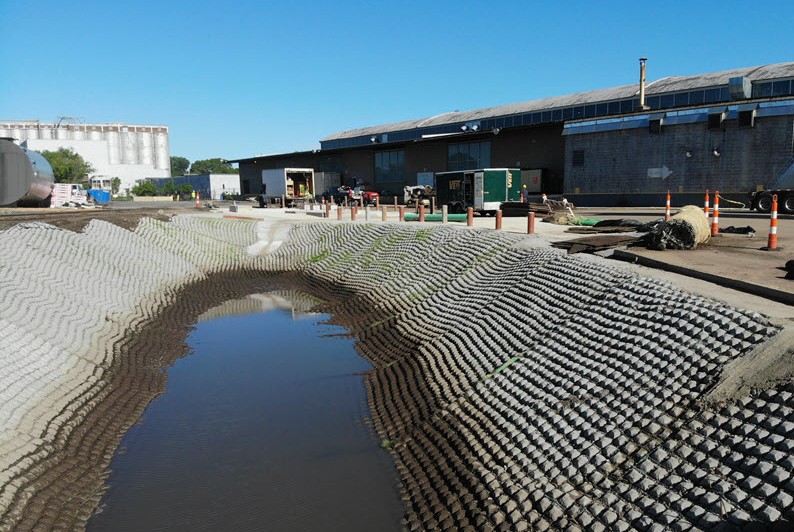
The pressure for efficient stormwater management has never been greater than it is today, as cities continue to expand. Climate change is causing increasingly unpredictable rainfall patterns, and with rapid urban growth, managing runoff water is no longer optional, it is essential for city safety, sustainability, and environmental balance.
n Engineering Inc. has been at the forefront of developing innovative stormwater systems that manage runoff with minimal impact on the natural environment. They specialize in balancing infrastructure requirements with green design principles to deliver long-term, sustainable solutions for residential and commercial developments.
Understanding Stormwater Management
Stormwater management is the practice of planning, designing, and maintaining systems that regulate surface runoff resulting from rain or melting snow. In urban areas, roadways, roofs, and pavements prevent water from soaking into the soil, leading to increased runoff. This runoff can carry sediments, debris, and pollutants into local water bodies, causing flooding, erosion, and water quality degradation.
The objectives of effective stormwater management systems are:
- Reduce flood risks
- Improve water quality
- Increase groundwater recharge
- Protect aquatic ecosystems
- Support sustainable urban infrastructure
Green infrastructure solutions such as bioswales, rain gardens, and permeable pavements help absorb and filter stormwater naturally while slowing its flow into drainage systems.
The Growing Need for Urban Flood Control Solutions
Urbanization has significantly increased pressure on drainage networks. Cities originally designed for smaller populations now struggle with heavy rainfall events. The result is often flooded roads, damaged infrastructure, traffic accidents, and environmental hazards.
Traditional drainage systems alone are no longer sufficient. Modern urban flood control requires a holistic approach, including:
- Advanced hydrological modelling to predict runoff
- Temporary water storage systems (retention and detention ponds)
- Subsurface infiltration systems for space-constrained areas
- Green roofs to reduce rooftop runoff
- Real-time, smart flood prediction systems
Cities such as Toronto and Vancouver are increasingly adopting these technologies as part of their sustainability strategies, improving resilience while reducing flood risks.
Effective flood control does more than simply remove water; it manages it intelligently, aiming to mimic the natural water cycle even in heavily urbanized environments.
Key Principles of Stormwater Treatment Design
A well-designed stormwater system not only controls runoff but also treats water before it re-enters natural bodies. The process typically involves three stages:
1. Collection
Rainwater is captured through inlets, catch basins, and drains. Proper design ensures minimal water logging and captures the “first flush,” which contains the highest concentration of pollutants.
2. Treatment
Collected water undergoes processes such as sedimentation, filtration, and pollutant removal. Sustainable treatment methods include:
- Vegetated swales for natural filtration
- Constructed wetlands for biological treatment
- Oil-grit separators for high-traffic areas
- Permeable pavements that absorb water
3. Discharge or Reuse
Treated water can be safely released into natural water bodies or reused for irrigation, cooling, and other non-potable applications, helping conserve freshwater resources.
Environmental Sustainability and Green Infrastructure
Modern stormwater management emphasizes sustainability. Green infrastructure treats stormwater as a resource rather than waste. Techniques like rain gardens, green roofs, and bioretention systems not only manage runoff but also enhance urban aesthetics, support biodiversity, and reduce the urban heat island effect.
Companies like n Engineering Inc. are helping Canadian municipalities adopt nature-based solutions within civil infrastructure. Their approach aligns with Canada’s goals for resilient, climate-ready infrastructure.
Sustainable systems also reduce long-term maintenance costs. Unlike traditional concrete systems that may require frequent repairs, green infrastructure often becomes more effective over time as vegetation matures and soil systems develop.
Data-Driven Stormwater Modelling and Design
Effective stormwater system design relies heavily on data. Engineers use advanced hydrological software to model:
- Rainfall intensity and duration
- Soil permeability and infiltration rates
- Surface gradients and drainage patterns
- Catchment area characteristics
This data-driven approach ensures systems are properly sized, avoiding both flooding risks and unnecessary costs. With smart sensors and IoT-based monitoring, cities can now anticipate storms and manage systems in real time.
Maintenance: The Key to Longevity
A stormwater system is only as effective as its maintenance plan. Regular inspections ensure pipes remain clear, vegetation thrives, and infiltration systems function properly. Maintenance programs should include:
- Routine catch basin cleaning
- Inspection of detention ponds and filtration systems
- Replanting and upkeep of vegetated areas
- Removal of accumulated sediments
Proactive maintenance extends system lifespan and maintains water quality, an aspect that n Engineering Inc. prioritizes in its projects across Canada.
The Future of Urban Flood Control
As climate change leads to more frequent and severe storms, the future of urban flood control will depend on smart, flexible, and sustainable solutions. Emerging approaches include AI-driven predictive modelling, underground storage systems, and hybrid designs that combine natural and engineered methods.
Public awareness and community participation will also play a vital role. Educating citizens about responsible practices, such as using permeable surfaces, installing rain barrels, and proper waste disposal, can significantly enhance overall system effectiveness.
Conclusion
Stormwater management is no longer a behind-the-scenes engineering function, it is a cornerstone of sustainable urban development. By integrating technology, ecology, and innovation, cities can transform stormwater challenges into opportunities for environmental improvement and resilience.
As urban areas continue to grow and face more intense rainfall events, resilient stormwater systems will play a defining role in shaping the cities of the future.
Frequently Asked Questions
1. Why is stormwater management important?
Stormwater management controls runoff from rain and snow to prevent flooding, erosion, and pollution. It ensures safe collection, treatment, and discharge of water back into the environment.
2. What are urban flood control solutions?
These systems combine traditional infrastructure (pipes, culverts, storage ponds) with green infrastructure (bioswales, rain gardens) to manage excess rainwater and prevent flooding during heavy storms.
3. What does stormwater treatment design involve?
It includes catchment analysis, runoff modelling, treatment systems such as filters or wetlands, and long-term maintenance planning to ensure performance and water quality.
4. Why is sustainable stormwater management important?
Sustainable systems mimic natural water cycles, improve water quality, enhance groundwater recharge, and reduce flood risks, helping create resilient and environmentally friendly cities.